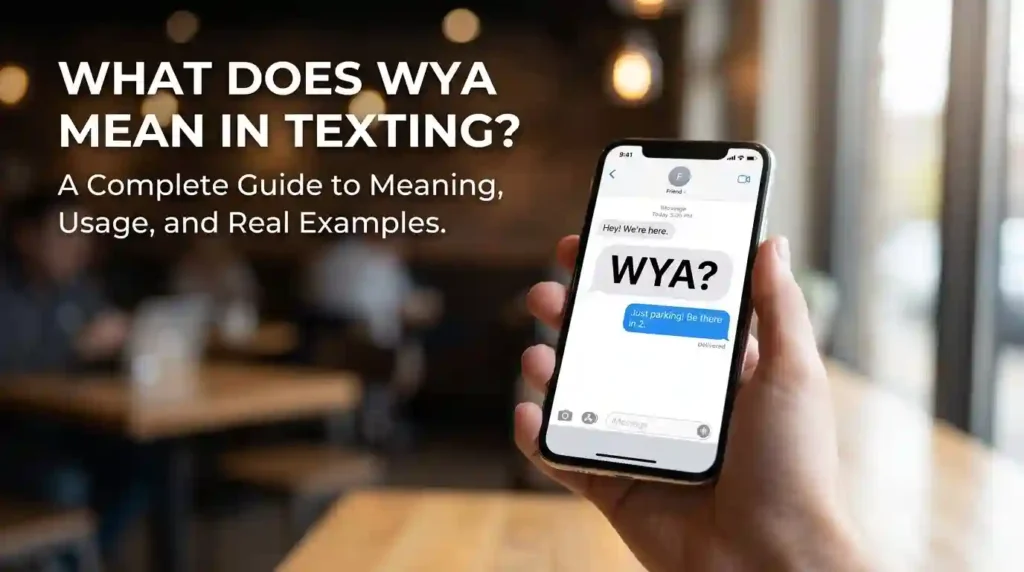
Social media creates new slang at an incredible pace. One week everyone is talking about “rizz,” and the next week a completely different phrase dominates comment sections. Among the latest expressions gaining attention is glazing.
If you’ve seen comments like “Bro is glazing” or “Stop glazing him,” you may wonder what people actually mean. The term has become common across TikTok, YouTube, X, Instagram, Discord, Twitch, and gaming communities.
Understanding the glazing meaning slang users employ online can help you follow conversations, avoid misunderstandings, and recognize when someone is using the term as a joke, criticism, or exaggeration.
This guide explains what glazing means, where it came from, how Gen Z uses it, and why it has become one of the internet’s favorite insults.
What Does Glazing Mean in Slang?
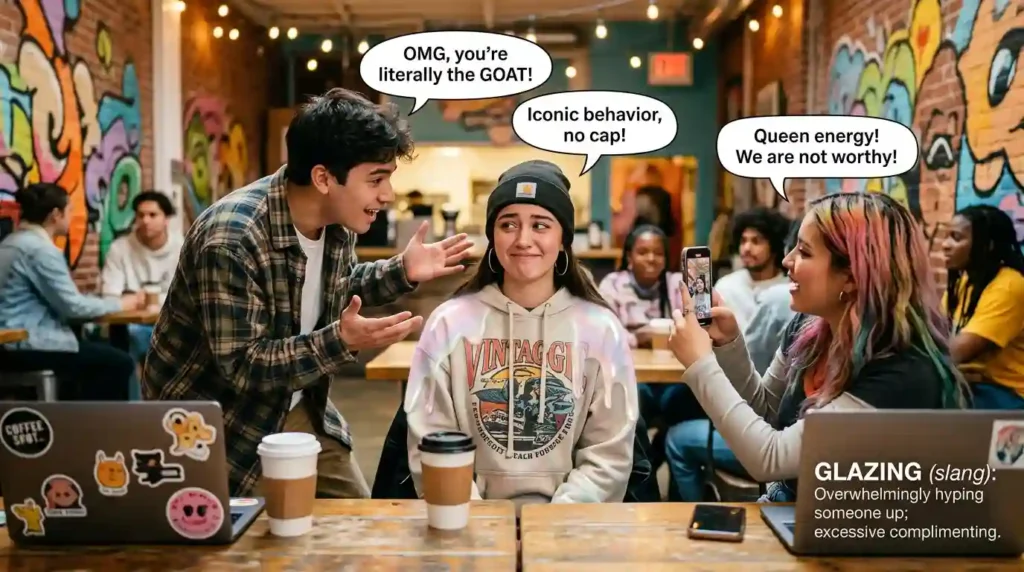
In modern internet slang, glazing refers to excessively praising, defending, supporting, or complimenting someone—often to an embarrassing or exaggerated degree.
When someone says another person is “glazing,” they usually mean that the praise feels excessive rather than genuine.
Simple Definition
Glazing = Over-the-top admiration or praise toward a person, celebrity, athlete, influencer, brand, or public figure.
The term is commonly used when people believe someone is:
- Being overly supportive
- Ignoring obvious flaws
- Defending someone no matter what
- Constantly complimenting a person
- Acting like a superfan
Example
Person A:
“That singer is literally perfect and has never made a bad song.”
Person B:
“You’re glazing hard right now.”
In this example, Person B thinks the praise is unrealistic or excessive.
Why Is the Term “Glazing” So Popular?
Social media platforms reward strong opinions, passionate fan bases, and viral discussions.
According to research published by the Pew Research Center, young adults spend significant amounts of time engaging with creators, influencers, and online communities. This increased interaction often creates intense loyalty among fans.
As fandom culture grows, internet users have developed slang terms to describe extreme behavior. Glazing is one of those terms.
People use it because it quickly communicates:
- Excessive admiration
- Blind loyalty
- Fan behavior
- Uncritical support
Instead of writing a long explanation, users simply comment:
“Stop glazing.”
The Origin of Glazing in Internet Culture
Like many slang terms, glazing did not appear overnight.
The expression evolved from older internet and sports-community language used to describe excessive admiration.
Over time, gaming communities, sports fans, and social media creators popularized the term. TikTok then accelerated its spread.
How Slang Evolves Online
| Stage | Description |
| Niche Communities | Small groups begin using a phrase |
| Social Media Growth | TikTok and X expose it to larger audiences |
| Meme Culture | Users create jokes and viral content |
| Mainstream Adoption | The phrase becomes widely understood |
Glazing followed this exact pattern.
Today, millions of users recognize the term even if they don’t regularly participate in gaming or sports discussions.
Love to Read More 210+ Fun Things to Do When You’re Bored: Exciting Activities for Every Situation
Glazing Meaning Slang in TikTok Culture
TikTok played a major role in making the phrase mainstream.
Short-form videos often feature:
- Celebrity debates
- Sports discussions
- Music rankings
- Influencer reactions
- Gaming clips
Whenever a creator strongly praises someone, viewers often flood the comments with accusations of glazing.
Common TikTok Examples
Example 1
Creator:
“He’s the greatest basketball player ever.”
Comment:
“Bro is glazing.”
Example 2
Creator:
“Everything this influencer does is amazing.”
Comment:
“That’s elite glazing.”
Example 3
Creator:
“This game is perfect and has zero flaws.”
Comment:
“Stop glazing and be realistic.”
In each case, commenters believe the praise is exaggerated.
Is Glazing Always Negative?
Not necessarily.
Most of the time, the word carries a negative or mocking tone. However, context matters.
Negative Usage
People use glazing negatively when they think someone is:
- Irrational
- Biased
- Overly obsessed
- Unwilling to criticize
Example:
“He defends that streamer no matter what. That’s pure glazing.”
Glazing meaning slang in Playful Usage
Friends sometimes use it jokingly.
Example:
“You talk about your favorite football team every day. You’re glazing again.”
In this situation, nobody is genuinely offended.
Positive Usage
Occasionally, users embrace the label humorously.
Example:
“Yes, I’m glazing. My favorite artist deserves it.”
This playful self-awareness has become common in meme culture.
How Gen Z Uses Glazing in Everyday Conversations
The glazing meaning slang communities share online has expanded beyond social media comments.
Many Gen Z users now use the word in casual conversations.
Typical Situations
Sports
“You’re glazing that player way too much.”
Music
“Every song isn’t a masterpiece. Stop glazing.”
Gaming
“That game has bugs. Why are you glazing it?”
School
“You always agree with the teacher. You’re glazing.”
Workplace
“He compliments the boss constantly. That’s glazing.”
The phrase has become a shortcut for describing excessive approval.
Related Slang Terms You Should Know
Glazing belongs to a larger family of internet expressions.
| Slang Term | Meaning |
| Simping | Excessive admiration, usually romantic |
| Meat Riding | Extreme support or praise |
| Fanboying | Overly enthusiastic fandom |
| Dick Riding | Crude term for blind support |
| Stan | Extremely dedicated fan |
| Glazing | Excessive praise or defense |
Although similar, glazing is generally considered more mainstream and less offensive than some alternatives.
Examples of Glazing in Real Conversations
Example 1: Sports Debate
Person A:
“He’s the greatest athlete ever.”
Person B:
“You’ve been glazing him all season.”
Example 2: Celebrity Discussion
Person A:
“She never makes mistakes.”
Person B:
“That’s glazing. Nobody is perfect.”
Example 3: Technology
Person A:
“That phone is flawless.”
Person B:
“You’re glazing the brand again.”
Example 4: Gaming
Person A:
“This game deserves a perfect score.”
Person B:
“You’re definitely glazing.”
These examples show how the term often appears when someone feels praise has gone too far.
Why People Accuse Others of Glazing
Psychologists have long studied fan behavior and group loyalty.
Research suggests people naturally form strong emotional attachments to:
- Celebrities
- Sports teams
- Influencers
- Brands
- Online personalities
When admiration becomes excessive, observers may label it glazing.
Common Reasons
- Strong fandom
- Personal bias
- Tribal behavior
- Social identity
- Emotional investment
This is why sports discussions often contain accusations of glazing.
Fans may view their favorite player through a highly positive lens.
The Role of Memes in Popularizing Glazing
Internet glazing meaning slang survives because people enjoy sharing it.
Memes transformed glazing from niche language into a mainstream expression.
Popular meme formats include:
- Reaction images
- TikTok edits
- Sports debates
- Streamer clips
- Screenshot jokes
Many viral videos gain millions of views simply because viewers argue about whether someone is glazing.
How Brands and Influencers Use the Term
Interestingly, marketers and creators have started adopting the phrase themselves.
Some influencers joke:
“Before you accuse me of glazing, hear me out.”
Brands occasionally use trending slang to appear relatable to younger audiences.
However, successful brands use it carefully.
Overusing youth slang can make marketing feel forced or inauthentic.
When You Should Use the Word Glazing
Use the term when:
✅ Someone is excessively praising a person
✅ A fan refuses to acknowledge flaws
Example
“I like that athlete too, but you’re glazing meaning slang, at this point.”
When You Should Avoid Using It
Avoid using the term when:
❌ Someone is giving balanced criticism
❌ The praise is reasonable
Not every compliment qualifies as glazing.
Sometimes people genuinely admire someone’s work.
Is Glazing Here to Stay?
Most slang terms eventually fade.
However, some become permanent parts of internet culture.
The phrase has several advantages:
- Easy to understand
- Short and memorable
- Works across platforms
- Fits meme culture
- Applies to many situations
These factors increase its chances of remaining relevant for years.
While its popularity may fluctuate, the concept behind it is unlikely to disappear.
Common Misconceptions About Glazing
Myth 1: Every Compliment Is Glazing
False.
Normal praise is not glazing.
The term usually implies excessive admiration.
Myth 2: Only TikTok Users Say It
False.
The phrase appears across:
- TikTok
- X
- Twitch
- Discord
- YouTube
Myth 3: It’s Always an Insult
False.
Many people use it jokingly among friends.
Context determines whether it is serious or playful.
FAQ: Glazing Meaning Slang
Why do people say “stop glazing”?
People say this when they believe someone is giving too much praise or support without being objective.
Is glazing the same as simping?
Not exactly. Simping often involves romantic admiration, while glazing can apply to celebrities, athletes, influencers, brands, or anyone receiving excessive praise.
What does glazing meaning slang?
Glazing means excessively praising, defending, or admiring someone to the point where others see it as exaggerated or biased.
What does glazing mean on TikTok?
On TikTok, glazing usually refers to overly defending or complimenting a creator, celebrity, athlete, or public figure.
Is glazing a Gen Z slang word?
Yes. Although it emerged from online communities, Gen Z helped popularize it through TikTok, gaming culture, and social media discussions.
Can glazing be positive?
Sometimes. People occasionally use it humorously to admit they’re enthusiastic fans of someone.
What is the opposite of glazing?
The opposite would be unfair criticism, excessive negativity, or “hating.”
Why is glazing so popular online?
It provides a quick way to call out exaggerated praise and fits perfectly within internet meme culture.
Conclusion
The glazing meaning slang is giving someone excessive praise, admiration, or support, often in a way that seems exaggerated or biased. People use the term when they think someone is complimenting or defending a person, celebrity, athlete, or influencer far more than they deserve.
The glazing users discuss across TikTok, YouTube, Instagram, and gaming communities revolve around one simple idea: giving someone more praise than they reasonably deserve. Whether it’s sports debates, celebrity fandoms, influencer culture, or everyday conversations, the term has become a popular way to call out exaggerated admiration.
As internet language continues evolving, glazing stands out because it is versatile, memorable, and easy to understand. Knowing when and how it’s used can help you navigate modern online conversations with confidence—and recognize when someone is genuinely complimenting a person versus when they’re being accused of “glazing.”